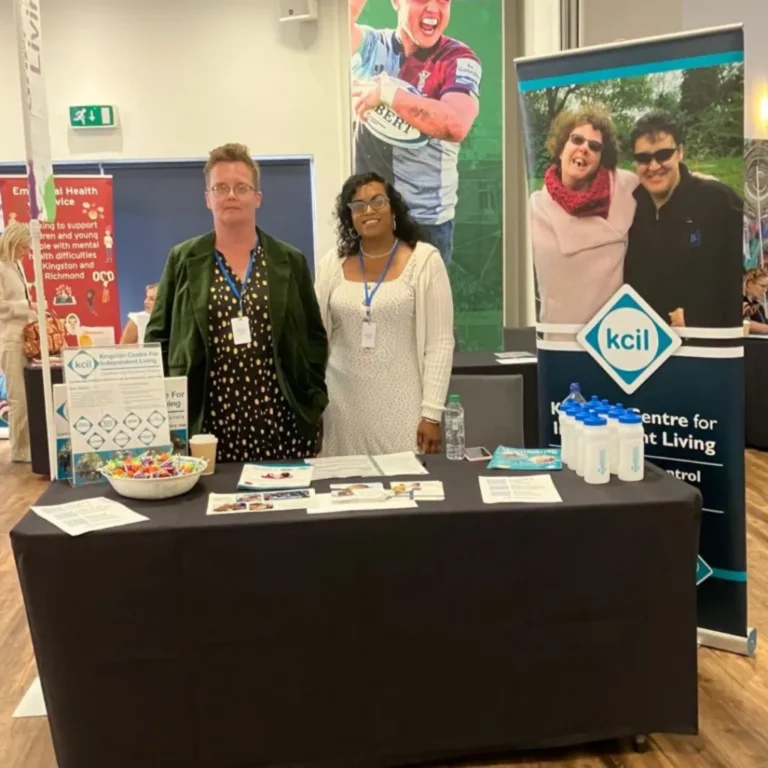

Kingston Centre for Independent Living (KCIL) is a charitable organisation that supports independent living for people across its local community. The organisation operates with a mix of office‑based and field‑based staff, relying on digital systems to deliver services, manage projects, and support collaboration as the team continues to grow.
KCIL undertook an IT review to ensure its infrastructure and support model remained aligned with organisational growth and the introduction of new projects. The team was expanding from approximately 11 to around 15 users, increasing demand on systems, connectivity, and user support. KCIL was approaching the renewal of its existing IT support contract and wanted to evaluate whether the current arrangements continued to meet operational needs.
The organisation used a combination of Microsoft 365 services, SharePoint, and specialist applications such as Sage, alongside an on‑premise server environment. There was a desire to explore alternatives to on‑premise infrastructure, including potential migration to cloud platforms such as Microsoft Azure. Connectivity was also a concern, with office internet currently delivered via ADSL, prompting consideration of a more resilient 5G solution. Additionally, KCIL required responsive support for both office and remote staff, improved communication, and assistance with future system migrations.
Qlic IT proposed a structured, proactive managed IT support service designed to support KCIL’s current environment while enabling future growth. The approach focused on improving reliability, user experience, and strategic planning, rather than simply reacting to issues as they arose.
An onboarding survey was planned to assess the existing IT estate, including Microsoft 365 usage, user devices, servers, and network connectivity. This allowed Qlic IT to build a clear understanding of how office‑based and field‑based staff accessed systems and where improvements could be made. Particular attention was given to supporting Microsoft workloads, SharePoint usage, and third‑party applications such as Sage.
Qlic IT outlined support for the safe decommissioning of legacy on‑premise servers, alongside advisory services for cloud migration options, including Azure. This ensured that any transition away from physical infrastructure would be planned, secure, and aligned with business requirements. The proposed service also included remote support tooling, monitoring for servers, and clear communication channels to improve responsiveness compared to traditional ticket‑only models.
In addition, Qlic IT incorporated user enablement through training resources, including Bigger Brains Training, to help staff make better use of Microsoft 365. This combination of technical support, strategic guidance, and user education ensured KCIL would be well supported both operationally and strategically.
KCIL benefited from a clear, structured IT support model designed to scale with the organisation. Improved visibility of the existing environment enabled informed decision‑making around future projects, including server decommissioning and potential system migrations. Support coverage was aligned to the needs of both office‑based and remote staff, improving consistency and reliability.
The proposed improvements to connectivity reduced reliance on legacy internet services and supported more stable access to cloud systems. Enhanced monitoring and support tooling improved response times and communication, leading to a better overall user experience. By focusing on Microsoft 365 optimisation and training, staff were better equipped to work efficiently and securely using existing tools.
Overall, KCIL gained confidence that its IT infrastructure and support arrangements could support organisational growth, new initiatives, and evolving service delivery requirements, while reducing operational risk and complexity.
- IT support aligned to organisational growth and hybrid working
- Clear roadmap for moving away from on‑premise server infrastructure
- Improved support responsiveness and communication
- Better use of Microsoft 365 through optimisation and training
- More resilient approach to office connectivity and remote access